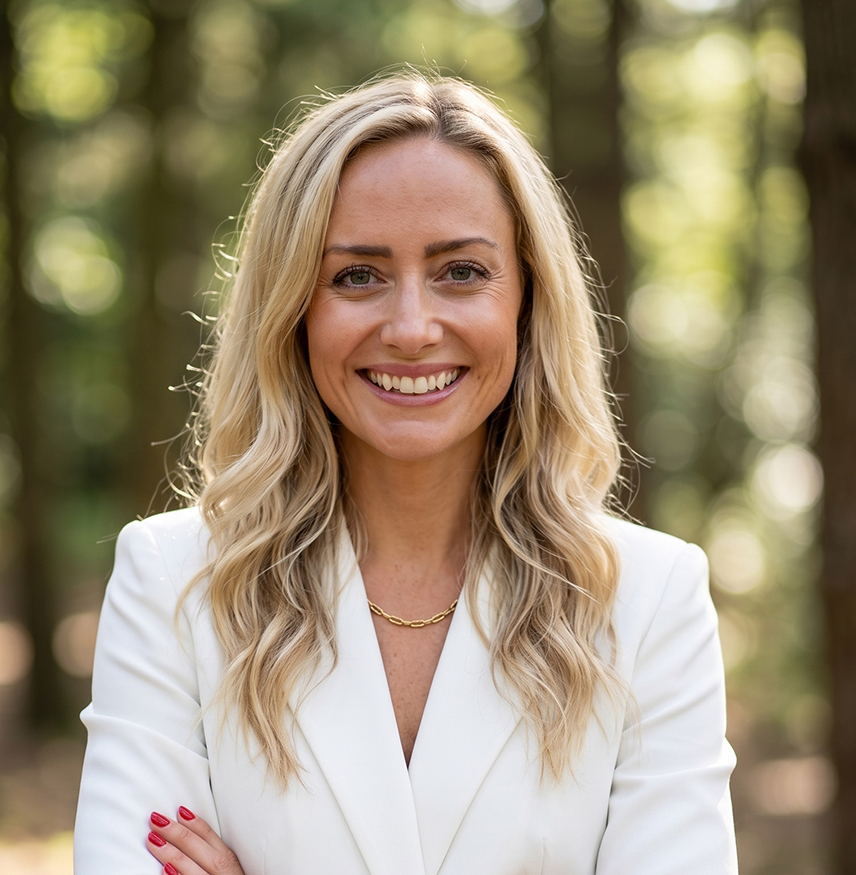
In its coverage of the third annual ADVISE AI conference in Austin, Financial Planning reports that Samantha Russell, Chief Evangelist at FMG Suite, warned advisors that weak digital visibility is a growing business risk as AI tools increasingly decide which firms get recommended. In a session on getting found by AI as the new organic growth engine for advisors, Russell compared a 30-year veteran with little online presence to a more visible advisor, and said an AI recommendation of the second advisor says nothing about who is better: “It just means she was easier for AI to discover and to understand.”
Russell outlined a three-part approach built on clear expertise, third-party authority and client trust, and she framed her talk with the story of painter Vincent van Gogh to make the point that being great at what you do is not enough if the world cannot find you.
Read the full article on Financial Planning.
FAQ
Q: What did FMG Suite’s Samantha Russell tell advisors at Financial Planning’s ADVISE AI conference?
A: Samantha Russell, Chief Evangelist at FMG Suite, told attendees in Austin that advisors who don’t plan their digital visibility with AI in mind risk a visibility crisis. Her session covered how AI tools decide which advisors to recommend and why being easy for AI to find and understand now shapes organic growth.
Q: Who is Samantha Russell?
A: Samantha Russell is Chief Evangelist at FMG Suite. She regularly speaks to financial advisors about digital marketing strategy and AI search, and told the ADVISE AI audience she had raised the visibility issue the year before.
Q: Why might AI recommend one financial advisor over another?
A: According to Russell, the deciding factor is how easily AI can discover and understand an advisor, not who is the better advisor. She contrasted a 30-year veteran whose website doesn’t say who he serves and who has no social or media presence with an advisor who is active on social media, has awards and listings, and makes her target client clear. When a prospect asks ChatGPT for a recommendation, the second advisor is the likelier pick.
Q: What three things does Russell say advisors should build to be found by AI?
A: Russell laid out a three-part approach: expertise, authority and trust. Expertise means being specific about who you serve and how, since an advisor who claims to help everyone gives AI nothing to match to a prospect. Authority means showing third-party recognition such as awards, press mentions and podcast appearances. Trust means showing what clients say about you through reviews and testimonials.
Q: How should advisors display awards and reviews so AI can use them?
A: Russell said AI can’t read awards shown only as logo images, so advisors should add text that names and describes each award, and older awards still count as recognition. She added that AI is especially strict about reviews and testimonials in higher-stakes fields like finance and health, and that how others talk about an advisor matters as much as what the advisor says.
Q: What was the Van Gogh story about?
A: Russell used painter Vincent van Gogh to illustrate discoverability. He produced nearly 1,000 works in the decade before his death in 1890 yet sold almost none, and his work later commanded tens of millions of dollars once people knew where to find it, even though the paintings themselves hadn’t changed. Her takeaway for advisors was that being great at what you do isn’t enough unless the world can also find out.